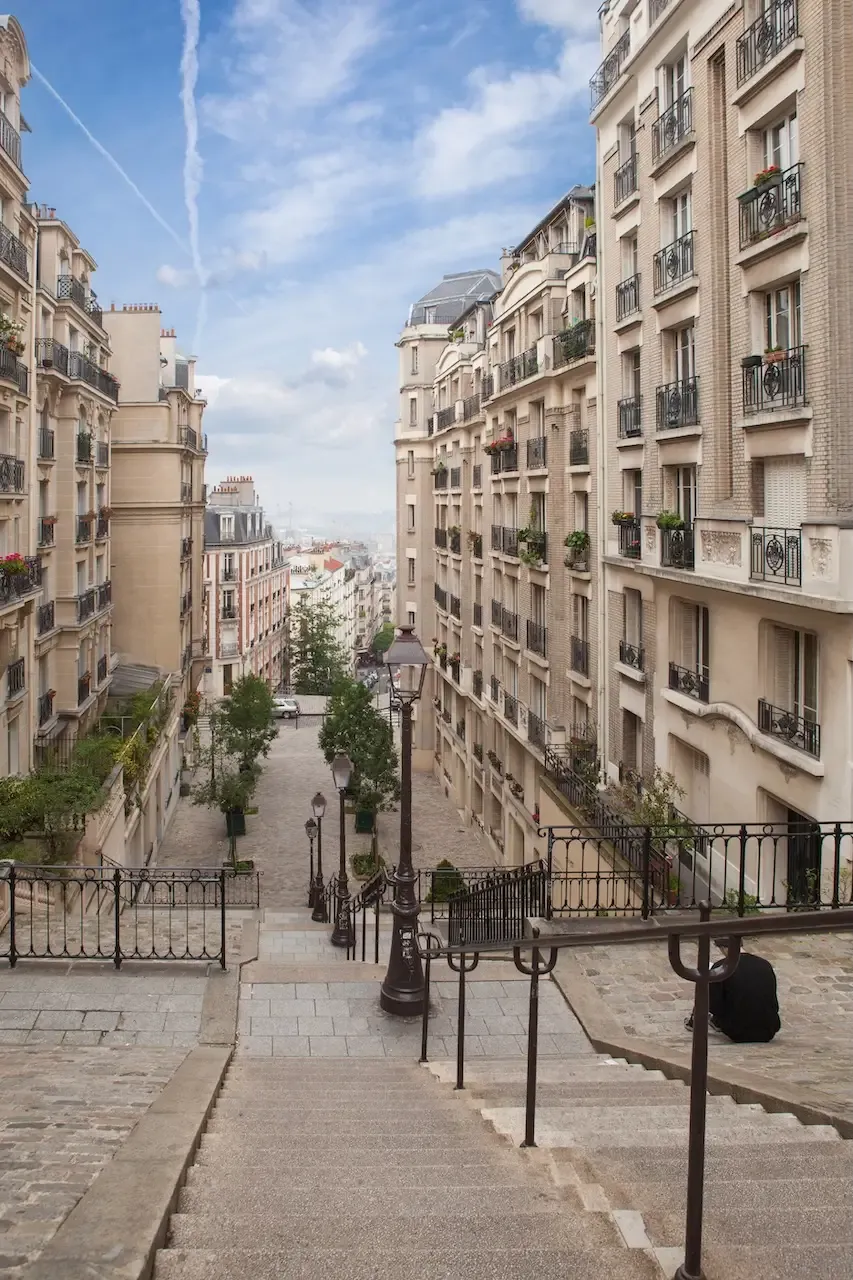


Renting an apartment in Paris is expensive, but it’s often more expensive than people expect. Beyond the monthly rent, there’s a long list of fees, deposits, and charges that can catch newcomers off guard. For expats and international renters, understanding the true cost of renting in Paris is essential before you start your search.
This guide breaks down everything you’ll actually pay: from average rents by neighborhood to security deposits, agency fees, guarantor costs, and the smaller expenses that add up quickly. Whether you’re relocating for work, studies, or a fresh start, you’ll know exactly what to budget for.
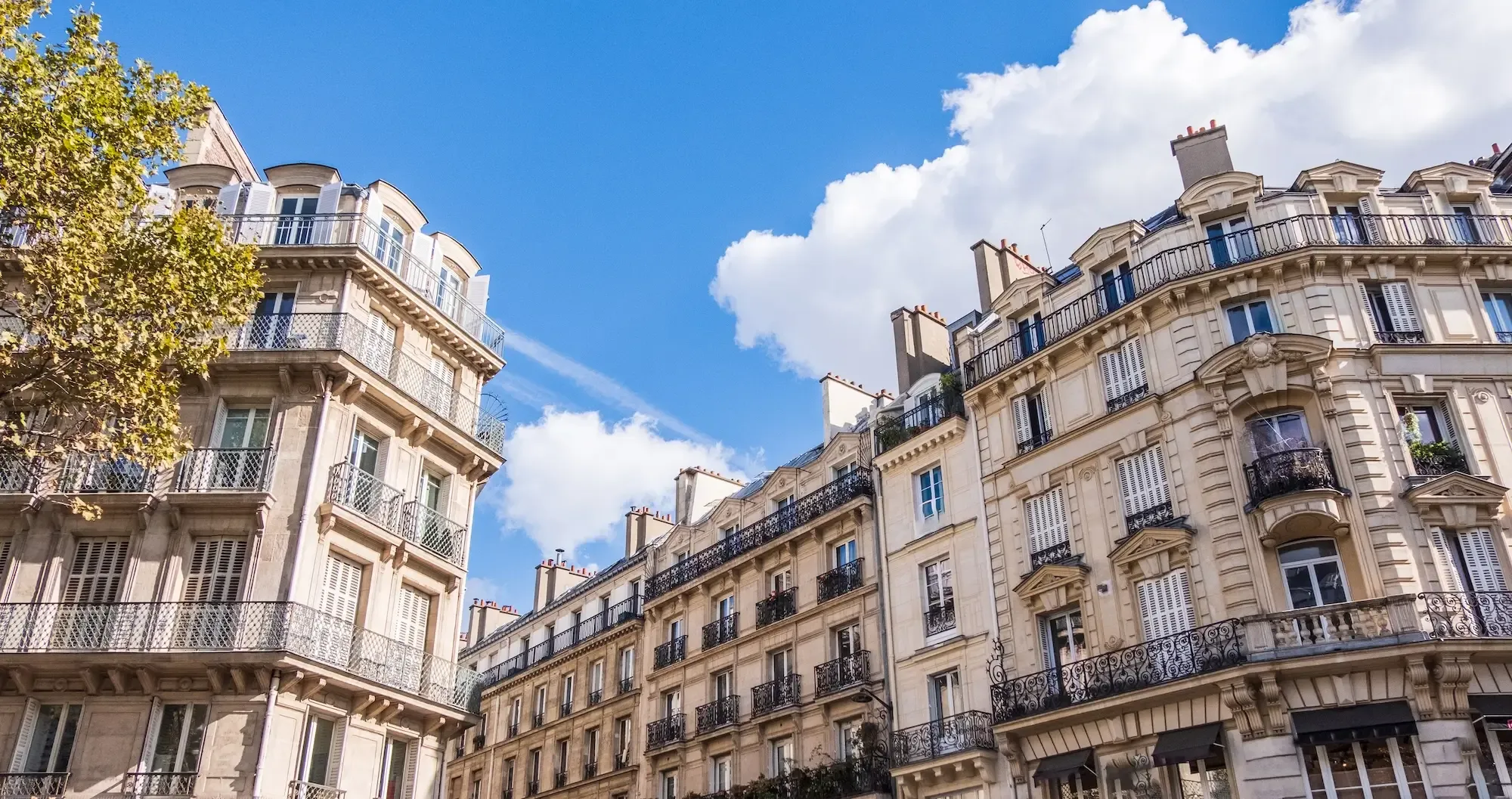 Paris remains one of Europe’s most competitive rental markets
How much does it cost to rent an apartment in Paris?
Let’s start with the number everyone wants to know: the monthly rent. In Paris, rents vary significantly based on apartment size, location, and whether the place is furnished or unfurnished.
As of early 2026, here’s what you can expect to pay for an unfurnished apartment:
| Apartment type | Typical size | Average monthly rent |
|---|---|---|
| Studio | 20–25 m² | €790–€950 |
| 1-bedroom | 35–45 m² | €1,100–€1,400 |
| 2-bedroom | 55–70 m² | €1,600–€2,200 |
| 3-bedroom | 80–100 m² | €2,400–€3,200 |
Furnished vs. unfurnished: what’s the price difference?
Furnished apartments command a premium of roughly 15–25% over unfurnished equivalents. For expats and international renters, furnished places are often the practical choice because you can move in immediately without buying furniture or appliances. But that convenience comes at a cost.
For a furnished apartment, expect to pay approximately €33–€41 per square meter per month, depending on the neighborhood and the quality of furnishings. A 40 m² furnished one-bedroom in a central arrondissement can easily reach €1,500–€1,700 per month.
The trade-off? Unfurnished leases typically run for three years (versus one year for furnished), giving you more stability if you’re planning to stay long-term.
Rent prices by arrondissement
Paris is divided into 20 arrondissements, and where you choose to live has a dramatic impact on your rent. The price gap between the most and least expensive neighborhoods can exceed 40%.
 Paris arrondissements vary significantly in rental costs
Most expensive areas
The 1st through 8th arrondissements consistently rank as the priciest, with the 6th (Saint-Germain-des-Prés) often topping the list. These central neighborhoods offer historic charm, proximity to landmarks, and excellent transport links—but you’ll pay handsomely for the privilege. Well-renovated apartments with period features in these areas can command premiums of 25–40% above the averages listed above.
More affordable areas
The 18th, 19th, and 20th arrondissements offer the most accessible rents within Paris proper. These neighborhoods may not have the postcard-perfect views, but they have their own character: vibrant street life, diverse dining options, and larger apartments for your money. The 10th, 11th, and 12th also offer a good balance between affordability and central location.
Why is Paris so expensive?
Before diving into the full cost breakdown, it helps to understand why Paris rents are so high. Several factors combine to make the Parisian market one of the most competitive in Europe.
Demand far exceeds supply. Paris accounts for over 10% of all rental searches in France, yet the number of available listings has dropped by nearly 60% over the past five years. Everyone wants to live here—professionals, students, expats, creatives—and there simply aren’t enough apartments to go around.
Limited space for new construction. Paris is a historic city with strict building regulations. The central arrondissements have almost no room for new development, and even outer areas face constraints. Add to that the ban on renting energy-inefficient properties (DPE ratings F and G) and restrictions on short-term rentals, and the available housing stock continues to shrink.
High mortgage rates shifted demand to rentals. Interest rates for French mortgages rose from around 1% in 2022 to over 4% in 2024 before stabilizing around 3%. Many would-be buyers have been priced out of purchasing, adding more pressure to the rental market.
The result? The average rent-to-income ratio in Paris now exceeds 36%—significantly higher than cities like Brussels (around 30%) or Vienna (below 30%).
Understanding rent control in Paris (encadrement des loyers)
Here’s something many expats don’t know: Paris has rent control. Since July 2019, landlords in Paris cannot charge whatever they want—rents are capped based on official reference prices set by the préfecture.
This system, called encadrement des loyers, is designed to prevent excessive rent increases and protect tenants. Understanding how it works can save you money and help you avoid overpaying.
How rent control works
The préfecture publishes reference rents per square meter for every neighborhood in Paris. These references vary based on five criteria: geographic zone, property type (house or apartment), number of rooms, construction date, and whether the apartment is furnished or unfurnished.
There are three reference levels:
- Loyer de référence (median reference rent): the baseline
- Loyer de référence minoré (reduced reference): median minus 30%
- Loyer de référence majoré (enhanced reference): median plus 20%—this is the legal maximum
In most cases, your base rent cannot exceed the enhanced reference rent (loyer de référence majoré) for your apartment type and location.
The “complément de loyer” trap
Landlords can charge above the enhanced reference rent only if the apartment has exceptional characteristics—a terrace, exceptional view, high-end renovations, or rare amenities not typical for the area. This surcharge is called a complément de loyer.
However, since August 2022, landlords cannot apply a complément de loyer if the apartment has an energy performance rating (DPE) of F or G, lacks proper sanitation, has inadequate heating, or shows signs of moisture damage or pest infestation.
If you suspect your rent exceeds legal limits without proper justification, you can contest it. The complément de loyer must be explicitly stated in the lease along with the specific characteristics that justify it.
How to check if your rent is legal
Before signing any lease, use the official rent control simulator provided by the DRIHL (Direction régionale et interdépartementale de l’hébergement et du logement). Enter your apartment’s details and compare the reference rents to what the landlord is asking. You can access the tool at drihl.ile-de-france.developpement-durable.gouv.fr.
Rent control has reduced rent increases in Paris by approximately 5% compared to what they would have been without regulation—and the effect grows stronger over time. APUR (Atelier Parisien d’Urbanisme), 2024 report
Costs beyond the monthly rent
Now let’s talk about all the other expenses. The monthly rent is just one piece of the puzzle—here’s what else you’ll need to budget for.
Security deposit (dépôt de garantie)
French landlords require a security deposit to cover potential damages or unpaid rent. The amount depends on whether the apartment is furnished:
- Unfurnished apartments: maximum 1 month’s rent (excluding charges)
- Furnished apartments: maximum 2 months’ rent (excluding charges)
The deposit is due at lease signing and should be returned within one month after you move out (two months if there are deductions for damages). Make sure to document the apartment’s condition thoroughly during the état des lieux (inventory) to protect yourself.
Agency fees (frais d’agence)
If you rent through a real estate agency, you’ll pay agency fees. The amount depends on the type of lease:
For standard leases (Loi ALUR): Fees are capped by law. As of 2026, the maximum is approximately €12–€15 per square meter in Paris, covering services like viewings, file processing, and lease drafting. The inventory fee (état des lieux) adds around €3 per square meter. For a 40 m² apartment, expect total agency fees of €600–€720.
For secondary residence or corporate leases (Code Civil): The legal caps don’t apply. Agency fees are typically 10–12% of the annual rent. For a €1,500/month apartment, that’s €1,800–€2,160.
Understanding which type of lease you’re signing directly affects your costs; Code Civil leases carry significantly higher agency fees.
Note: In January 2026, agency fee ceilings were adjusted slightly upward (about 1%) in line with the IRL index—the first increase since 2014.
Guarantor costs (frais de garant)
This is where many expats get stuck. French landlords almost universally require a garant—someone who guarantees they’ll cover your rent if you can’t pay. The guarantor typically needs to be a French resident earning at least three times the monthly rent.
If you don’t have a French guarantor (and most expats don’t), you have two main options:
Visale (free): A government-backed guarantee program administered by Action Logement. It’s free and covers unpaid rent for up to 36 months. Eligibility requirements include being under 30, or being over 30 and employed in the private sector for less than 12 months, among other criteria. Apply at visale.fr.
Paid guarantor services: Companies like Garantme and Smartgarant act as your guarantor for a fee—typically around 3.5% of your annual rent. For a €1,500/month apartment, that’s roughly €630 for the year.
Some landlords may also accept a larger security deposit (up to 6 months) in lieu of a guarantor, but this is less common and must be negotiated.
Home insurance (assurance habitation)
Renter’s insurance is mandatory in France. Before handing over the keys, your landlord will ask for proof of coverage (an attestation d’assurance). Policies must cover at minimum fire, water damage, and civil liability.
Basic policies start around €150–€200 per year for a small apartment. Comprehensive coverage (multirisque habitation) that also protects your belongings typically runs €250–€400 per year, depending on the apartment size and coverage level.
Popular insurers for expats include Luko, Lovys, and traditional providers like MAIF and Macif.
Utilities (charges)
Most utilities are not included in your rent and must be set up in your name:
| Utility | Typical monthly cost | Notes |
|---|---|---|
| Electricity | €50–€100 | Higher if electric heating |
| Gas | €30–€60 | If applicable (many apartments are all-electric) |
| Internet | €30–€50 | Fiber widely available; providers include Free, Orange, SFR |
| Water | Usually included | Typically covered by building charges |
Setup fees: Opening an electricity account costs €1.66 if your apartment has a Linky smart meter, or around €30 without one. Internet installation runs €40–€50. For step-by-step instructions on setting up each utility, including English-speaking providers, see our guide to utilities, internet, and insurance in your Paris apartment.
Building charges (charges locatives)
These are your share of the building’s common expenses: cleaning, elevator maintenance, stairway lighting, garbage collection, and sometimes heating if the building has a central system. Charges typically run €50–€200 per month depending on the building’s amenities and services.
Charges are usually listed separately in rental ads (you’ll see “loyer: €1,200 + €150 charges” or “charges comprises” if included). Make sure you understand what’s included before signing.
Housing tax (taxe d’habitation)
Good news for most renters: the taxe d’habitation on primary residences was eliminated for all households as of 2023. However, if you’re renting a secondary residence (pied-à-terre) or the lease is classified as such, you’ll still owe this tax—typically €500–€2,000 per year depending on the property.
First-month costs: what you need to have ready
Here’s the part that surprises many people. When you sign a lease in Paris, you don’t just pay the first month’s rent—you pay everything upfront. Let’s look at what you’ll need to have available on day one.
Example: furnished one-bedroom apartment at €1,500/month
| Expense | Amount |
|---|---|
| First month’s rent | €1,500 |
| Security deposit (2 months) | €3,000 |
| Agency fees (Loi ALUR, ~40 m²) | €650 |
| Guarantor service (Garantme) | €630 |
| Home insurance (first year) | €250 |
| Total move-in cost | €6,030 |
That’s roughly four months’ rent needed upfront—before you’ve bought a single baguette.
Example: unfurnished studio at €900/month
| Expense | Amount |
|---|---|
| First month’s rent | €900 |
| Security deposit (1 month) | €900 |
| Agency fees (~25 m²) | €400 |
| Visale guarantor | €0 (if eligible) |
| Home insurance | €180 |
| Total move-in cost | €2,380 |
Using Visale (if you qualify) and renting unfurnished dramatically reduces your upfront costs.
Related: How to avoid rental scams in Paris
Tips to keep costs down
Paris isn’t cheap, but there are ways to make your budget go further:
- Look beyond the tourist zones. The 10th, 11th, 18th, 19th, and 20th arrondissements offer significantly lower rents while still being well-connected by metro. You’ll get more space for your money.
- Consider unfurnished if you’re staying long-term. Yes, you’ll need to buy furniture, but the lower rent and smaller deposit add up to savings over a three-year lease.
- Apply for Visale. If you’re eligible, it’s free and widely accepted by landlords. Check your eligibility before resorting to paid guarantor services.
- Verify rent control compliance. Use the official simulator to check if the rent is within legal limits. You have the right to contest excessive rents even after signing.
- Be ready to move fast. Good apartments in Paris rent within days. Have your dossier complete and your finances ready so you can apply immediately when you find the right place. See our guide on how long it takes to find an apartment in Paris for a realistic timeline.
- Negotiate where possible. While rare in a competitive market, some landlords—especially for longer leases—may be open to slight rent reductions or waiving certain fees.
Ready to start your search?
Renting in Paris requires preparation, patience, and a realistic budget. For a typical one-bedroom furnished apartment, expect to spend €1,200–€1,600 per month in rent, plus €100–€200 in utilities and charges. Your move-in costs will likely total €4,000–€6,000 or more.
The Paris rental market moves fast and favors well-prepared applicants. Having your documents ready, understanding the costs, and knowing your rights under rent control will put you ahead of the competition.
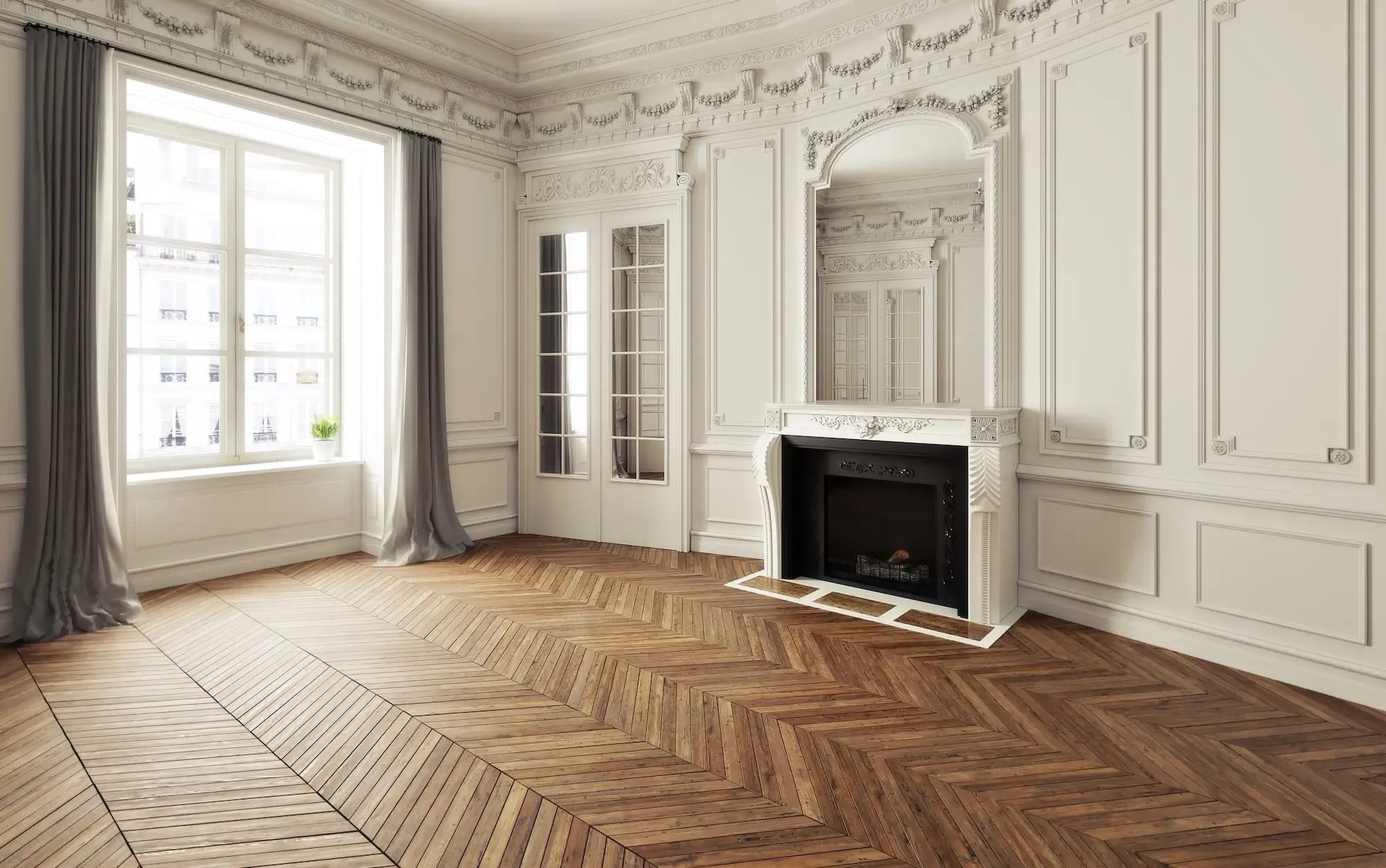 With the right preparation, you’ll find your place in Paris
If you’re relocating from abroad and want expert help navigating the process, Flatigo specializes in helping international clients find and secure apartments in Paris. From building a competitive dossier to finding off-market listings and guiding you through the lease signing, we handle the complexities so you don’t have to.
Book a free consultation to discuss your search.